
Before the Architect
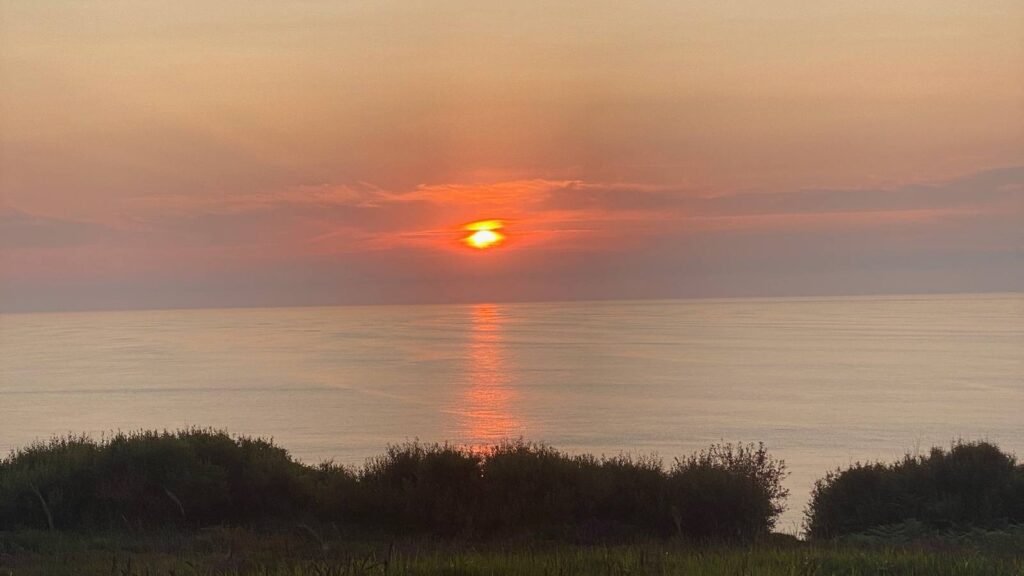
When I was six or seven, on a beach on the Basque coast, I had a habit I never questioned. I framed the view. Thumbs and forefingers made a small rectangle against the horizon, and I moved it until nothing inside was man-made: no roads, no wires, no factories. Water, rock, pine, sky, perhaps one well-placed house. Without knowing the word for it, I was editing the landscape down to what deserved to be looked at.
I still do it. I just use better tools now, and the frame is larger.
A bet on a windswept dune
I grew up in Neguri, on the coast near Bilbao. It was one of the first planned developments on that stretch of shore: a garden city in the English and French manner, built on dunes that were first tamed by planting thousands of trees before a single house went up. Both my grandparents were among its first buyers, when it was still a bet on sand and wind rather than the address it later became.
I didn’t understand what that meant until much later. Someone had seen that planting a landscape first, and building into it afterwards, would create value no building alone could. The trees were not decoration. They were the infrastructure that made the place.
That conviction, that land and life come first and the building follows, has organised everything I have done since.
What I am not, and what I do
For years people guessed my profession: architect, permaculturist, builder. I’m none of these on paper. I don’t draw plans for a living, I hold no permaculture certificate, and I have never laid a brick as anyone’s employee.
But I built my first house, and later the hotel Isla Verde, in a place with no reliable internet and, in 2004, very little information available even where there was. So I learned the way you learn when nobody is coming to help. I read everything. I asked the people around the lake who had built their own homes. I talked to plumbers, engineers, and men who were neither but had built their own systems anyway.
I know why you pump water higher than you need it, so that gravity does the work when the electricity fails. I know what a solar array wants from its angle and from its distance to the batteries, because I lived on one, with a baby and nobody to call when it stopped behaving. I have made mud bricks by hand and mixed concrete, and I understand what the steel inside it is doing, and when bamboo can do the same job. I know soil, light, and which plants want to grow beside which, because I built food gardens season by season, not from a drawing. When a well-driller points at the wrong spot, I can tell him so, and I’m right often enough that he stops arguing.
None of that makes me an architect, a permaculturist or a builder. It makes me someone who can brief one properly. That turns out to be the harder thing to be good at, and the decision that most shapes how a property turns out.
Read the place before deciding what it becomes
My work starts before the architect, in one of two directions.
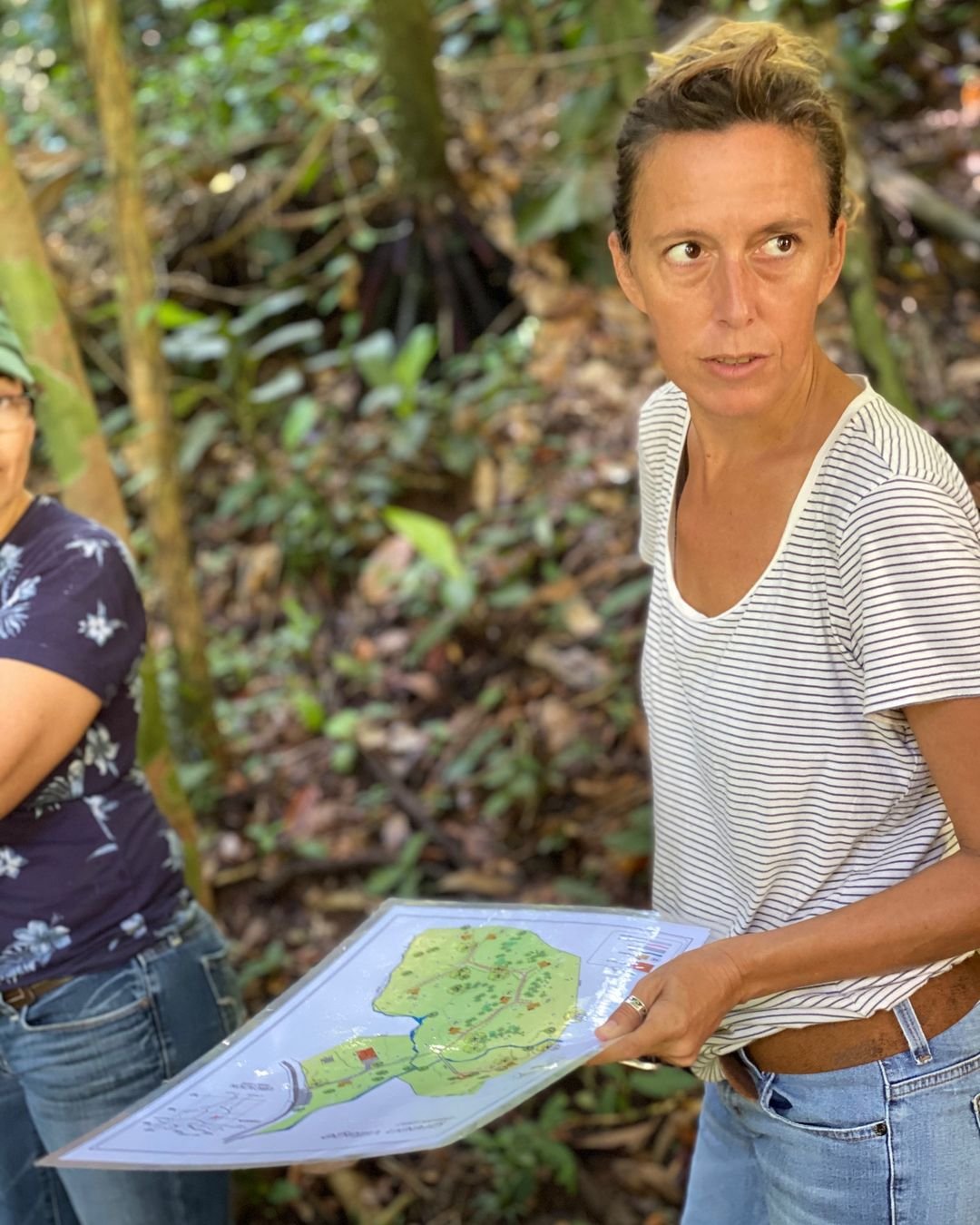
Sometimes the life comes first: a client knows how they want to live, and my job is to find the land that can hold it. Just as often it goes the other way. A piece of land, or an old house no one has cared for properly in years, has been telling its own story for decades before I arrive. Houses in particular carry the shape of the lives lived in them: a doorway widened for someone who needed it, a kitchen moved to catch the morning light.
Reading that story first, and only then deciding what the place should become, is at least half of what I do. Water, slope, sun, wind, what grows there, what has been built and why. Then the brief: the house, the garden that feeds as well as shades, the systems that keep it running when the owner is away, and, given enough land, a forest.
A floor plan, not a manifesto
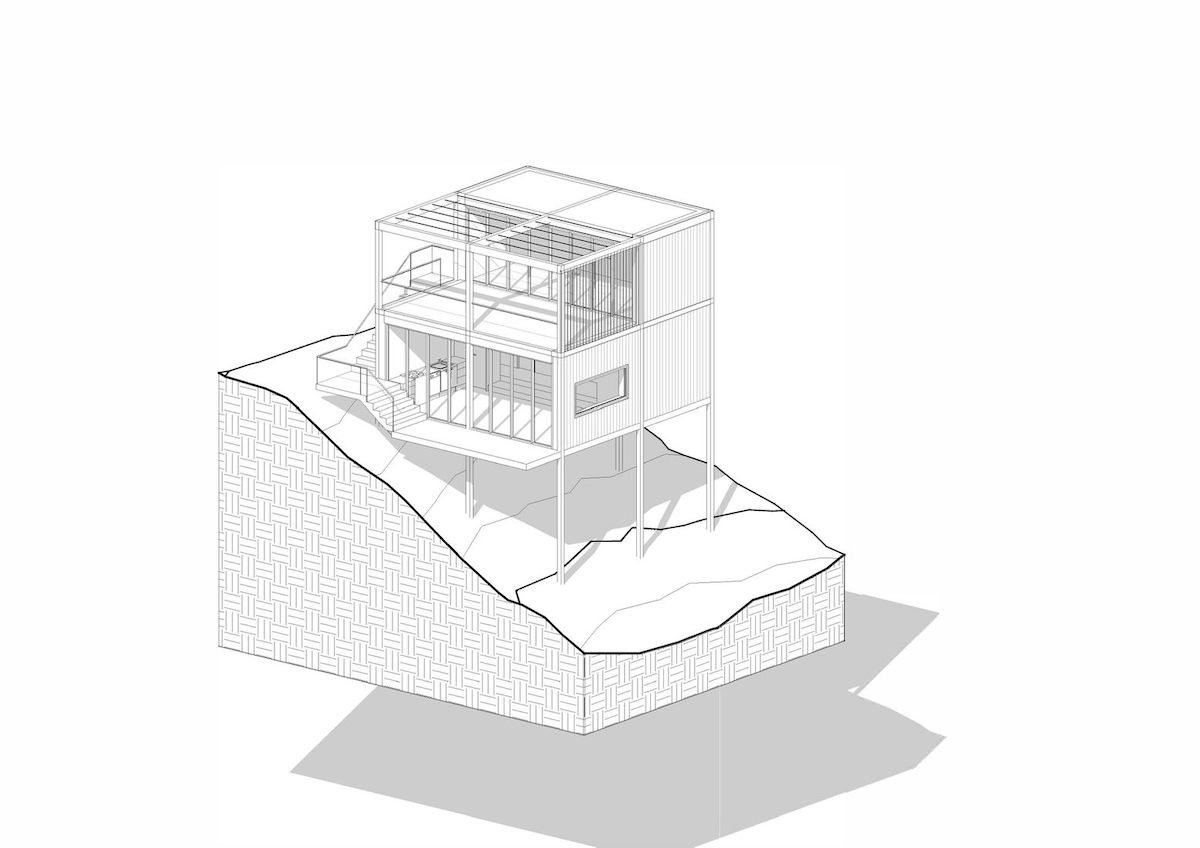
We are not short of people diagnosing what is wrong with how we live. We are short of people willing to describe, in specific and buildable detail, what living differently would look like on an ordinary Tuesday morning, and then to find the land, the architect and the builders to make it real.
That is the only thing I know how to do that may be worth something to someone else. Not a manifesto. A floor plan.
I still think about that girl on the beach with her fingers against the horizon, cutting out the wires and roofs. I am doing the same thing, with an architect in place of a forefinger and a few hectares in place of a beach: deciding what belongs in the frame, and then building the life that gets to live inside it.
