
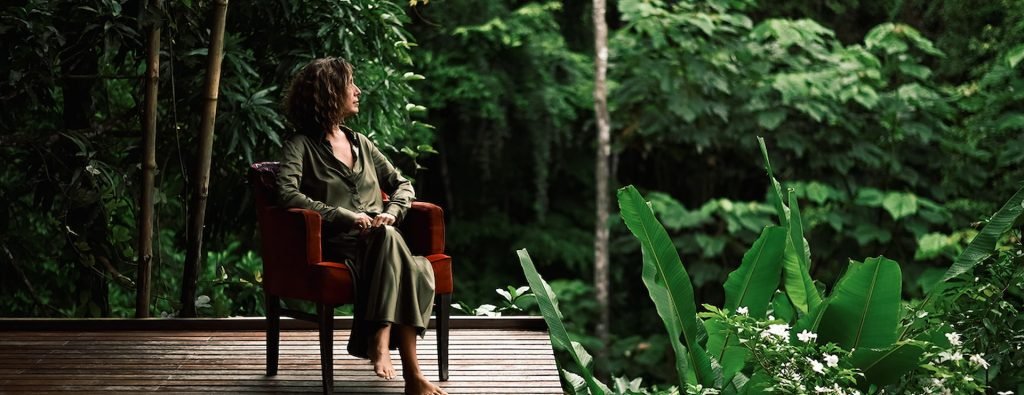
Ana San Sebastián

I work at the intersection of land, design, and long-term capital alocation. My focus is the creation of regenerative estates — places where architecture, landscape, and operational systems are conceived as one coherent whole. Not as aesthetic exercises. As structures for how life — and value — unfold over time.

Ana San Sebastián

Three Obsessions

I have been drawn to the same three things since I was a child.

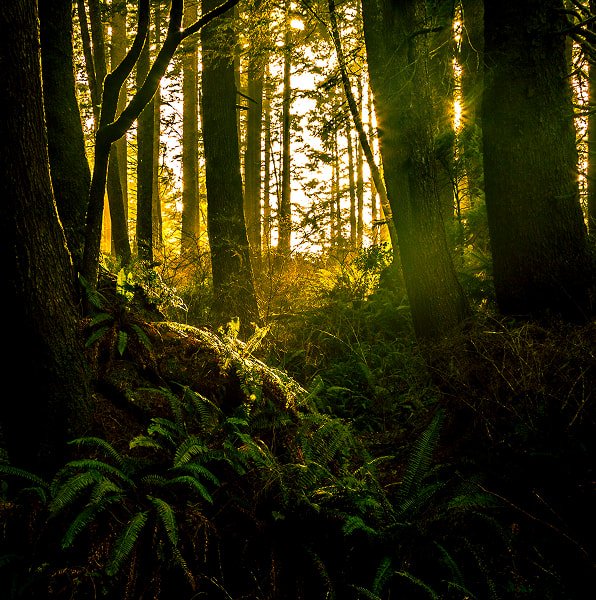
Wilderness. Not nature as backdrop or scenery — wilderness as a human need. The forest at dawn. A shoreline with no buildings on it. The particular silence of old growth. Everything I have built has been organised around it in some way.

These three obsessions have driven everything I have done since.

Origin

I grew up in Spain, in a family with deep roots and clear expectations. I studied economics and business administration at the Universidad de Deusto — not because I was drawn to markets, but because I wanted to understand how systems work. How resources move. How decisions made early shape everything that follows.

After graduating I spent four years in corporate roles across South America — the Spanish Consulate in Chile, acquisitions work for Telefónica in Brazil. The work was well-paid and entirely at odds with what I actually was.

The Economist's Argument

I am an economist before I am a designer. This matters because I have never believed that ecological and financial logic are in opposition — only that most people in this field treat them as if they were.

A regenerative estate that cannot sustain itself economically is not regenerative. It is a liability with good intentions. Every system I design must work ecologically and financially, simultaneously, from the beginning. That integration is not a compromise. It is the point.

Position

I work independently, retained as a strategic integrator. Each project is approached on its own terms, but the intention remains consistent: to create places where capital, ecology, and daily life are in alignment.

A Different Premise

A Different Premise

Most wealth today exists in abstraction — financial instruments and portfolios that depend on systems no single individual controls. Passive revenues obtained this way are legitimate, and I hold them. But I am a firm defender of balancing them with tangible assets that harness something simpler: the value that life itself generates, over time, given the right conditions.

Land does not disappear. It can be degraded — or it can be regenerated. And when approached with intelligence, it becomes both a place to live and a structure for preserving and growing value.

How I Work

How I Work

Most projects in this space combine architecture, sustainability, and landscape — but remain fragmented in execution. The architect has not spoken to the agroforestry specialist. The construction team has not been briefed on the water systems. The owner arrives to find that the vision exists in pieces, and nobody is holding the whole.

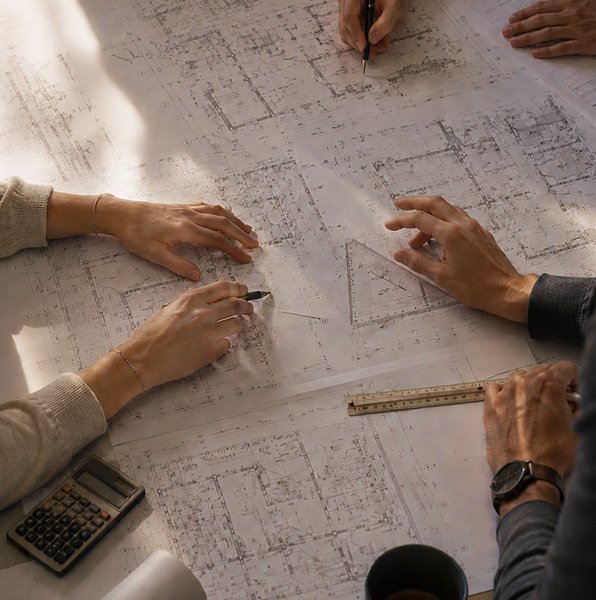
My work begins with integration. I define the conceptual framework, align the right people around it, and ensure they can see and talk to each other throughout the process. I am not the contractor, the architect, or the engineer — I am the person who ensures the argument remains coherent from the first site visit to the last operational detail.

There is a kind of value that no balance sheet captures cleanly. A forest recovering its canopy. A bird species returning to a habitat you regenerated.  Water running clear through land that was compacted ten years ago. These things are real — ecologically, economically, and in some other register that is harder to name but equally present.

About